

Ensuring this data is securely stored, easily retrievable, and protected against loss is crucial. Two key strategies for achieving this are data archiving and data replication. While both serve different purposes, they work together to enhance data security, compliance, and business continuity.
The concepts of data archiving and replication, their benefits, differences, and best practices for implementation. Data archiving and replication are essential components of a robust data management strategy. Archiving helps manage storage costs and compliance, while replication ensures data availability and disaster recovery.

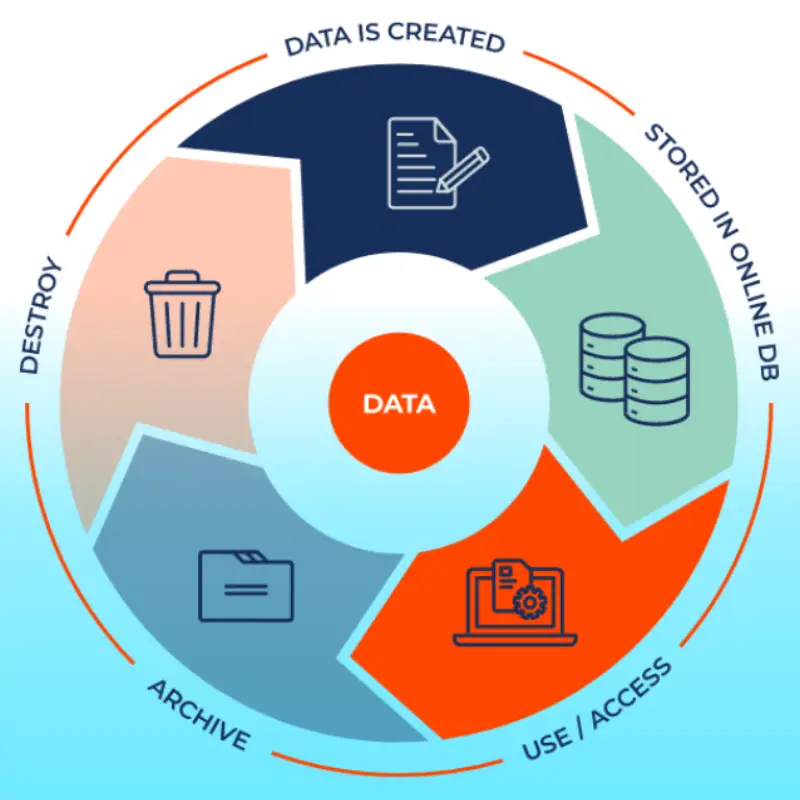
Data archiving involves moving inactive or rarely accessed data to a separate storage system for long-term retention. Archived data remains accessible but is stored cost-effectively, reducing the load on primary storage systems.
Benefits of Data Archiving:
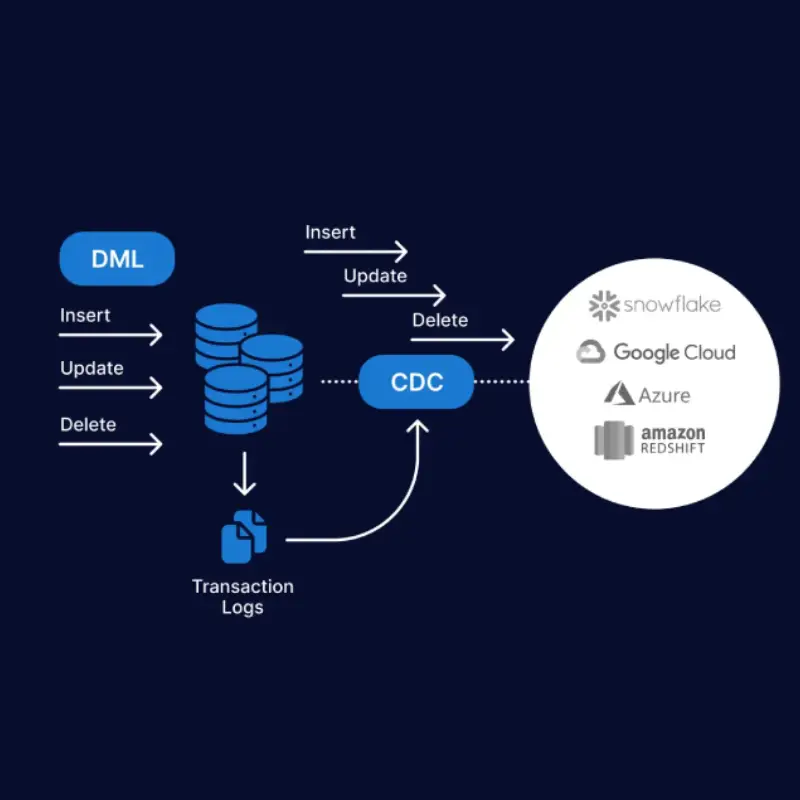
Data replication creates multiple copies of data across different locations or systems in real-time or near-real-time. This ensures high availability and disaster recovery.
Benefits of Data Replication:
Data archiving moves inactive data to long-term storage, reducing costs and ensuring compliance while keeping data accessible when needed.
By maintaining multiple copies of data in different locations, replication ensures data remains available even if one system fails.
Yes, archiving stores older data efficiently, while replication ensures critical data is always available—both enhance data management.
Synchronous replication writes data to multiple locations simultaneously, ensuring consistency but with higher latency. Asynchronous replication delays copying, improving performance but with a slight risk of data loss.
The frequency depends on business needs, but automated policies can archive data based on age, usage, or compliance requirements.

















Fill out the form below, and our team will get back to you shortly with a personalized quote. Fast, easy, and no obligation!